Practical habit guides for real life.
Search by the behaviour you want to change. The advice changes with the habit, because walking, scrolling, drinking water and stopping nail biting do not break down for the same reasons.
Find the problem you are working on.
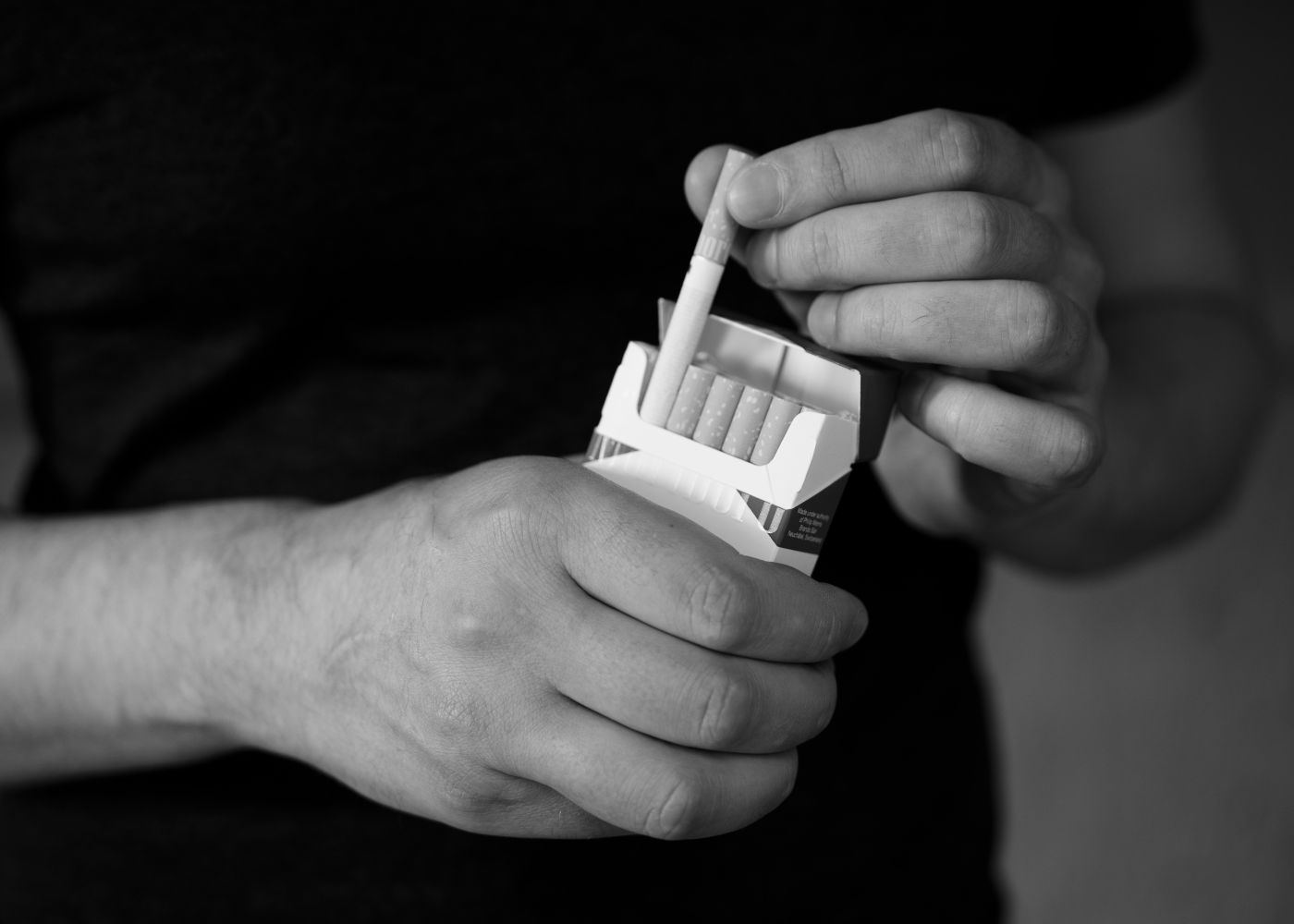
Quit smoking
Practical help with quit plans, cravings, withdrawal, routine triggers and setbacks.
18 guides →
Procrastination
Make starting easier when you know what to do but keep putting it off.
5 guides →
Walking
Build a walking routine that survives busy days, bad timing and missed sessions.
4 guides →
Sleep & mornings
Make mornings easier and rebuild repeatable wake, sleep and morning routines.
5 guides →
Phone use
Reduce automatic checking and scrolling by changing the moments that pull you in.
6 guides →
Hydration
Make drinking water easier to remember without turning the day into constant tracking.
5 guides →
Exercise
Restart, stay consistent and make exercise easier to begin on low-energy days.
5 guides →
Quit vaping
Plan around nicotine support, cravings, triggers, routines and slip-ups.
5 guides →
Reading
Read more often by making the start smaller and the cue easier to notice.
2 guides →
Food & drink
Use realistic quantities, visible progress and better defaults instead of all-or-nothing rules.
1 guides →
Stop habits
Catch triggers earlier, change the environment and recover quickly after a lapse.
1 guides →Start something you want to do more often.
 Movement
How to build the habit of walking your dog every day
Make the walk easier to start, choose a time that fits your real day, and recover quickly when life gets in the way.
Read guide →Health routineHow to build a habit of drinking more water
Use visible amounts, simple cues, and smaller checkpoints so the goal does not turn into a giant task at the end of the day.
Read guide →LearningHow to make reading every day feel easy to start
Choose a tiny minimum, connect reading to a moment you already have, and let longer sessions be a bonus rather than the rule.
Read guide →WalkingHow to make walking every day a habit
Choose a small walking minimum, attach it to a reliable cue, and build a routine that still works when your day gets messy.
Read guide → Walking
How to start walking every morning
Make the first ten minutes after waking easier, reduce morning friction, and stop relying on an early burst of motivation.
Read guide → Walking
How to get back into walking after a break
Restart below your old level, rebuild the cue first, and avoid trying to make up for lost time.
Read guide → Sleep & mornings
How to build a morning routine you can actually keep
Use one anchor, a short sequence and a minimum version instead of trying to redesign your whole morning at once.
Read guide → Reading
How to start reading every night before bed
Make the book easier to reach than the phone, use a tiny page minimum, and give reading a clear place in your wind-down.
Read guide →ExerciseHow to get back into exercise after a break
Restart below your old capacity, lower the first-week target, and rebuild the habit of showing up before chasing performance.
Read guide → Exercise
How to stay consistent at the gym when motivation drops
Protect the start, lower friction around getting there, and keep a minimum session for days when motivation is low.
Read guide →ProcrastinationHow to stop procrastinating when you know what you need to do
Turn a clear task into a small first move, remove the easy escape routes, and make starting happen before motivation arrives.
Read guide → Procrastination
How to start a task when you have no motivation
Use a small launch sequence, lower the first target, and let action create momentum instead of waiting to feel ready.
Read guide → Procrastination
Why do I procrastinate even on easy things?
Easy tasks can still be boring, annoying, vague or emotionally loaded. Find the hidden friction and change the part that actually blocks the start.
Read guide → Procrastination
How to stop putting off small tasks
Stop tiny jobs from becoming a mental pile by giving them a home, a clear threshold and a short daily reset.
Read guide → Procrastination
How to restart after wasting most of the day
Use the time that is left instead of writing the day off. Reset with one useful task, one clean stopping point and a simpler plan for tomorrow.
Read guide → Sleep & mornings
How to wake up at the same time every day
Make your wake time easier to repeat by working backward from bedtime, using a simple first action, and allowing a realistic weekend range.
Read guide → Sleep & mornings
How to get out of bed when you do not feel like it
Make the first two minutes easier by removing decisions, changing the room quickly, and giving yourself a reason to move before your brain starts negotiating.
Read guide → Sleep & mornings
How to get back into a sleep routine
Reset the anchors around waking, evening light and wind-down instead of trying to force an instant perfect bedtime.
Read guide → Exercise
How to exercise when you are tired
Use a smaller session, an earlier decision point and a clear stop rule so low-energy days do not force an all-or-nothing choice.
Read guide → Exercise
How to stop skipping workouts
Find the point where the plan breaks, fix the travel or setup before the workout, and keep a smaller session for hard days.
Read guide → Exercise
How to make going to the gym a habit
Build the habit around arriving, not around having a perfect workout, then let the training grow once the trip feels normal.
Read guide → Hydration
How to remember to drink water during the day
Use visible water, repeatable checkpoints and reminders only where memory actually breaks down.
Read guide → Hydration
How to drink more water when you do not like plain water
Make hydration easier by changing temperature, container or flavour while keeping the routine simple enough to repeat.
Read guide → Hydration
How to stop forgetting to refill your water bottle
Turn refilling into a fixed part of another routine so an empty bottle does not quietly end your hydration for the day.
Read guide → Hydration
How to spread your water intake through the day
Use simple checkpoints so hydration does not become a late-night catch-up job.
Read guide →Do less of something without all-or-nothing rules.
 Screen time
How to reduce late-night scrolling without relying on willpower
Change the vulnerable window, make stopping easier, and use lapses as information instead of proof that the plan failed.
Read guide →Food & drinkHow to cut back on soft drink without making the plan miserable
Track the amount you actually drink, lower the target in useful steps, and focus on the times and situations that drive most of the habit.
Read guide →Phone useHow to reduce screen time without relying on willpower
Change the places, cues and app access that pull you in so using your phone less does not depend on making the same hard choice all day.
Read guide → Phone use
How to stop checking your phone first thing in the morning
Give the first minutes of the day another job so messages, news and feeds do not become the automatic wake-up routine.
Read guide → Phone use
How to stop picking up your phone automatically
Catch the reach before the unlock, change where the phone lives, and give idle hands a simpler alternative.
Read guide → Phone use
How to stop doomscrolling when you are bored
Make boredom easier to sit with, shorten the first scroll, and prepare low-effort alternatives before the feed takes over.
Read guide →Protect a clear boundary and recover quickly after a lapse.
Stop / avoidHow to stop biting your nails by catching the moment earlier
Learn the trigger, make the action harder to start, and build a simple recovery plan for lapses.
Read guide →Sleep & morningsHow to stop hitting snooze every morning
Change what happens in the first minute after the alarm so getting up does not depend on a half-awake decision.
Read guide → Phone use
How to stop using your phone in bed
Move the decision earlier, give the phone a physical home, and replace the last few minutes of scrolling with something easier to repeat.
Read guide →Quit vapingHow to stop vaping: a practical quit plan
Build a quit plan around your reasons, nicotine support, triggers, cravings and the routines that currently make vaping easy.
Read guide → Quit vaping
How to deal with vaping triggers
Find the people, places, feelings and routines that cue vaping, then plan one realistic alternative for each high-risk moment.
Read guide →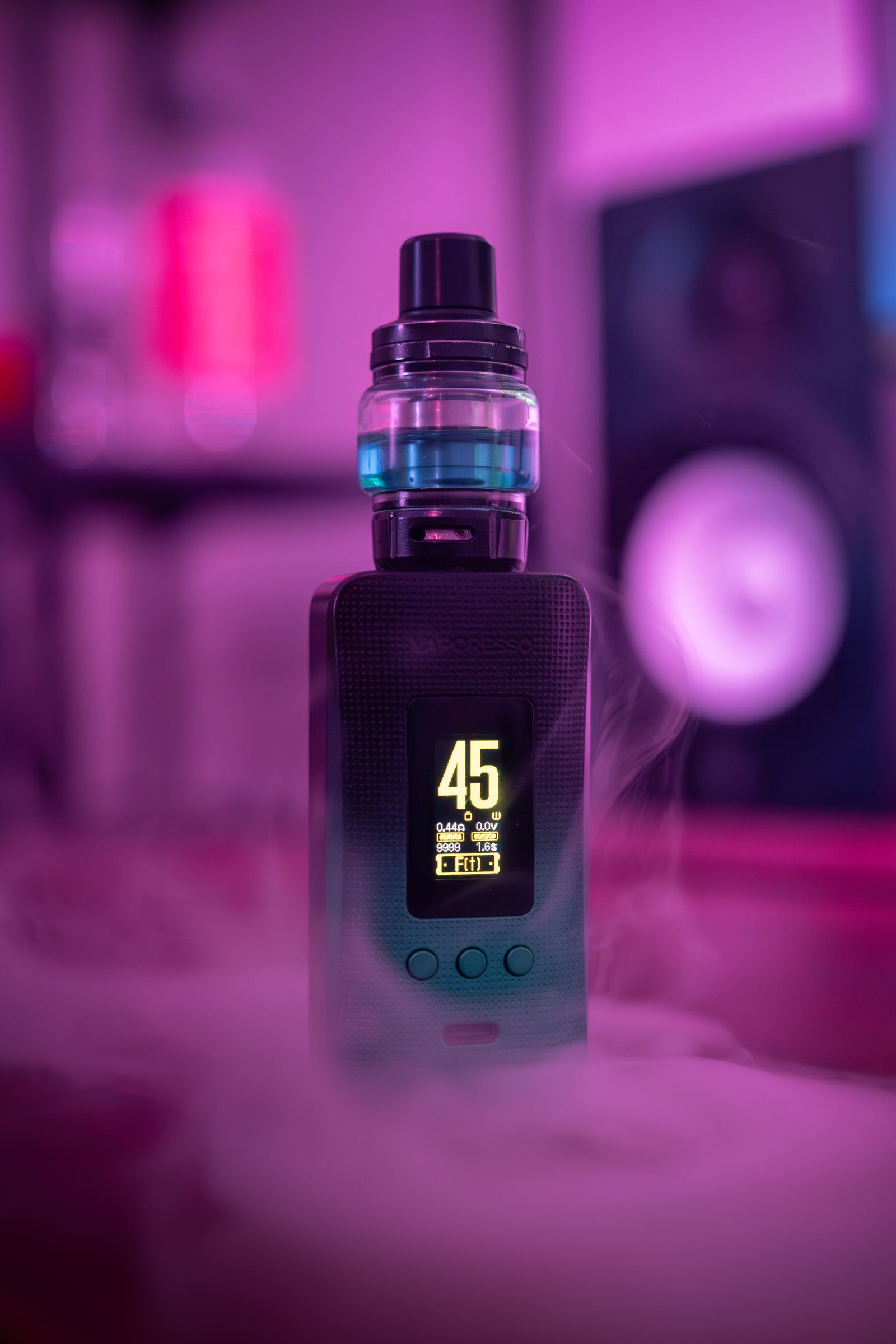 Quit vaping
What to do when you crave a vape
Use a short craving plan you can remember under pressure: delay, breathe, drink, move and reach for support when you need it.
Read guide → Quit vaping
How to change routines that make you want to vape
Keep the useful parts of your day while changing the coffee, driving, break and social routines that currently point straight to vaping.
Read guide → Quit vaping
What to do after vaping again when you are trying to quit
Stop a slip-up from turning into a full return to vaping by acting quickly, finding the trigger and rebuilding the next 24 hours.
Read guide →